Latest Blogs
- What is a compressed sofa?

- 2025 U.S. Furniture E-Commerce Profit Darling: Boxed Compression Sofa – Space-Saving & Wholesale-Friendly
- Compressed Sofa Manufacturing Partnership Guide | 2025/OEM vs ODM: Choosing the Right Model/

- How to Reduce Shipping Costs by 60-70%

- 5 E-commerce Advantages of Compressed Sofas
How to Reduce Shipping Costs by 60-70%
Published : 12/22/2025Complete Guide to Compressed Sofa Logistics Savings | 2025
In today’s highly competitive market, reducing transportation costs is crucial for any furniture enterprise. With the vigorous development of e-commerce, online retailers are confronted with enormous logistics challenges, particularly in terms of shipping expenses. Traditional sofa transportation is not only costly but also suffers from low space utilization. This is one of the reasons why compressed sofas have gradually become a new favorite in the market.
Understanding the composition of transportation costs is an important task for every furniture enterprise. Transportation costs include not only freight charges, but also loading and unloading fees, insurance premiums and other related expenses. Therefore, enterprises need to comprehensively consider these factors when budgeting. Through refined management, enterprises can more effectively control transportation costs and maintain a competitive edge in the market.
Compressed sofas not only save space during transportation, but also effectively improve warehousing efficiency. According to industry research, the storage density of compressed sofas can be increased by up to 150%. This means that enterprises can store more products in the same warehouse space, thereby reducing the storage cost per unit.
By compressing sofas into compact packages, compressed sofas can significantly improve transportation efficiency. Compared with traditional sofas, compressed sofas not only save space, but also reduce the complexity of transportation links. Imagine that a single container can hold more units. This undoubtedly reduces the transportation cost of each sofa.。
Shipping costs can make or break your furniture business. Traditional sofas require expensive freight shipping—but compressed sofas (sofa in a box) can reduce logistics costs by 60-70% through volume optimization.
Enterprises can also reduce overall costs by optimizing transportation routes. For example, they can choose direct shipping routes to cut down transit time, or arrange transportation during off-peak periods to lower shipping expenses and improve efficiency. In addition, the use of data analysis tools can help enterprises monitor transportation status in real time and make quick responses.
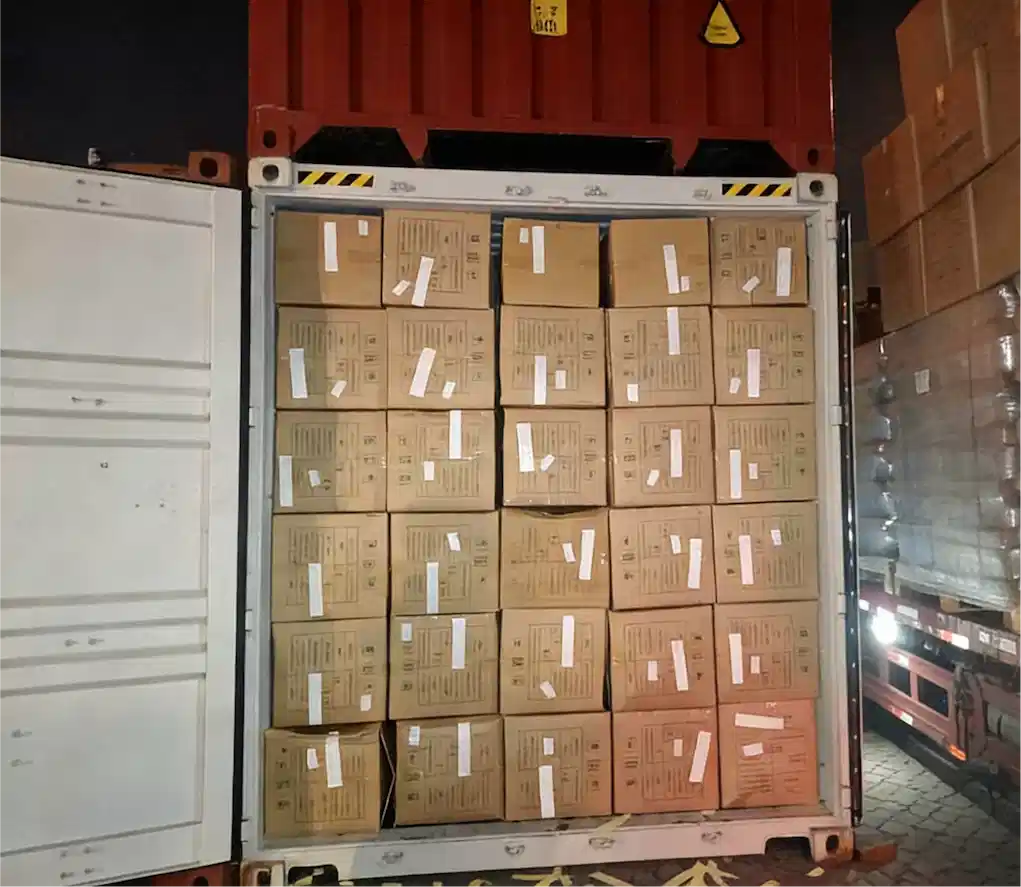
When analyzing container loading, it is crucial to understand the difference in loading capacity between traditional sofas and compressed sofas. Taking a 40-foot container as an example, the loading capacity of traditional sofas usually ranges from 30 to 50 units, while that of compressed sofas can be as high as 150 to 300 units. Such a huge gap makes compressed sofas a more cost-effective option in the transportation process.
To further reduce transportation costs, enterprises can consider cooperating with multiple logistics companies to obtain competitive quotes for the best transportation solutions. Moreover, enterprises can also achieve higher cost-effectiveness by optimizing supply chain management and reducing the number of transportation trips.
Container Loading: The Numbers
- Traditional Sofa: 30-50 units per 40ft container
- Compressed Sofa: 150-300 units per 40ft container
- Improvement: 3-6x more units per shipment
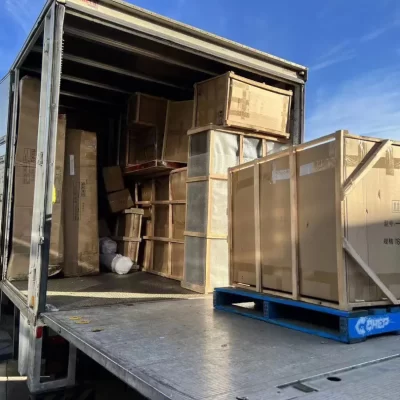
We can better understand the advantages of compressed sofas through specific cost comparisons. For example, shipping 100 sofas from China to the United States costs between $6,000 and $12,000 via traditional methods, while the cost of shipping compressed sofas is only between $2,000 and $3,000. Such a cost difference reduces the transportation cost per sofa by $40 to $90, with an overall savings of up to 50% to 70%.
Cost Breakdown: 100 Sofas China→US
- Traditional Shipping: $6,000-12,000 (3-4 containers)
- Compressed Shipping: $2,000-3,000 (1 container)
- Per-Unit Savings: $40-90 per sofa
- Total Savings: 50-70% reduction
Source: Freightos Baltic Index
Additional Logistics Benefits
- Warehouse Density: 150%+ more inventory in same space
- Last-Mile Delivery: Standard parcel vs freight truck
- No White-Glove: Saves $50-200 per delivery
- Easier Returns: Customer can ship via UPS/FedEx
In addition to the direct reduction in transportation costs, compressed sofas also offer other logistics advantages. For instance, they increase warehouse storage density, which means more inventory can be stored within the same space—an undeniable huge advantage for retailers.
Furthermore, last-mile delivery becomes significantly more efficient. Compressed sofas can be delivered as standard parcels without the need for specialized freight trucks, which not only saves time but also cuts down on expenses.
Shipping Methods Comparison
- Sea Freight FCL: Best for 300+ units, lowest cost
- Sea Freight LCL: Good for 50-200 units, shared container
- Air Freight: Feasible for samples, urgent orders
- Express (DHL/FedEx): Small batches, highest cost
Sanp Sofa Logistics Support
- FOB/CIF/DDP: Flexible shipping terms
- Amazon FBA Ready: Direct warehouse delivery
- Container Optimization: Maximize loading efficiency
- Documentation: Complete export paperwork
In addition, enterprises can also establish good relationships with suppliers to ensure timely and efficient logistics arrangements. This not only reduces transportation delays but also improves customer satisfaction, thereby enhancing brand image.
When comparing different transportation methods, full container load (FCL) shipping by sea is suitable for shipments of more than 300 units and is usually the lowest-cost option. Less than container load (LCL) shipping, on the other hand, is ideal for 50 to 200 units. Although slightly more expensive, it offers a certain degree of flexibility. For samples or urgent orders, air freight is costly but provides unparalleled advantages in terms of delivery speed. Finally, courier services such as DHL or FedEx are suitable for small-volume shipments but come with the highest costs, and are generally used in special circumstances.
When evaluating transportation methods, enterprises should consider the advantages and disadvantages of each option under different scenarios. For example, sea freight is the most cost-effective but requires a longer transit time, while air freight is suitable for urgent orders but is relatively expensive. When selecting a transportation method, enterprises should make the most rational choice based on their actual needs.
To support the logistics needs of furniture enterprises, Sanp Sofa also provides comprehensive consulting services, helping enterprises formulate personalized logistics solutions to improve transportation efficiency while ensuring cost-effectiveness. With the support of a professional team, enterprises can better respond to the ever-changing market demands.
Ultimately, a good customer service experience is also key to an enterprise’s success. By providing detailed shipment tracking information, customers can keep track of their order status in real time, which not only improves customer satisfaction but also helps strengthen brand loyalty.
To help customers better understand the transportation process, Sanp Sofa offers flexible shipping terms, including FOB, CIF, and DDP. In addition, our services cover direct warehouse delivery for Amazon FBA, helping customers streamline the logistics processes of their e-commerce businesses. Meanwhile, we focus on container optimization to improve loading efficiency, ensuring that customers maximize value with each shipment.
When choosing a logistics partner, enterprises should prioritize reputable logistics companies with comprehensive service offerings. This not only guarantees the safety of transportation but also ensures that any issues can be resolved promptly when they arise, thereby minimizing the impact on business operations.